A 5.4 billion dollar underground copper and gold mine project
- Designed and installed a bespoke Management Operating System and Integrated Project Planning process to optimize space, time and materials for 3,000 people across more than 20 aspects of construction, development and production.
- Shifted complexity from execution into planning, creating digital work plans 48 to 72 hours in advance against a 24-hour industry standard.
- Inducted 120 frontline managers and supervisors, built local-language coaching capability aligned to a national upskilling mandate, and used a simulation game to teach planning principles.
Outcome: The project kept on schedule and broke records, preserving $2M of net present value per day and becoming the safest underground division in its parent network.
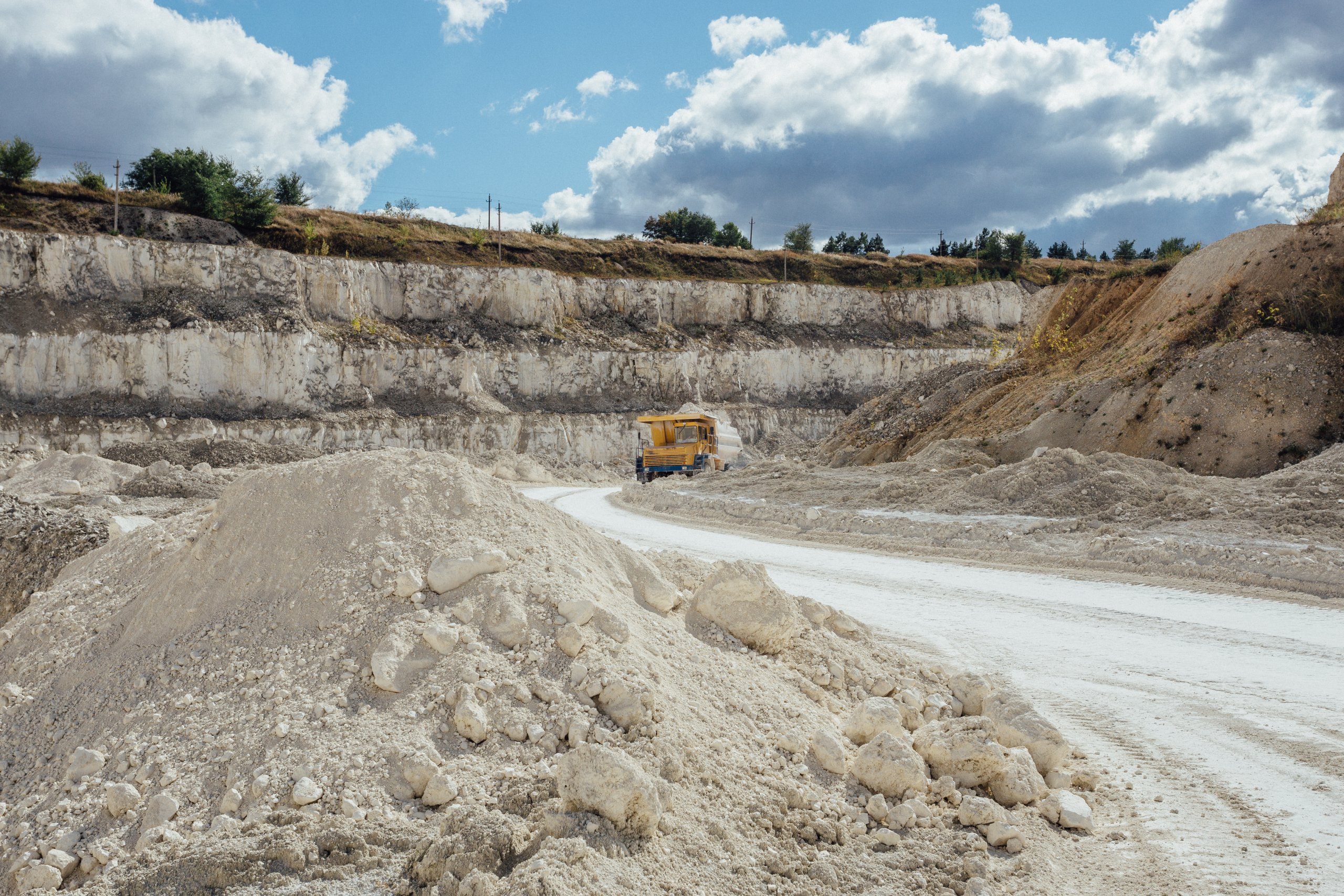
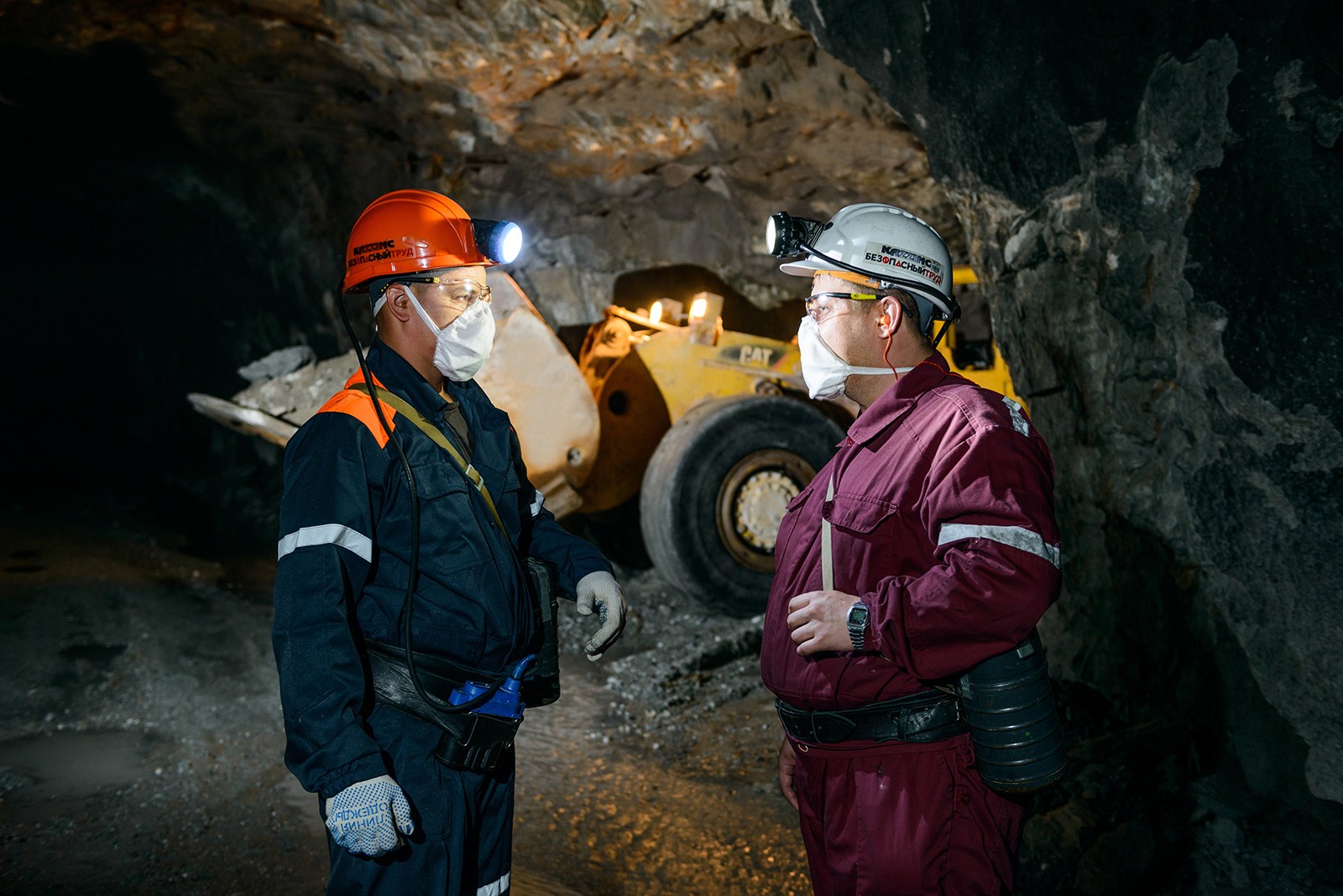
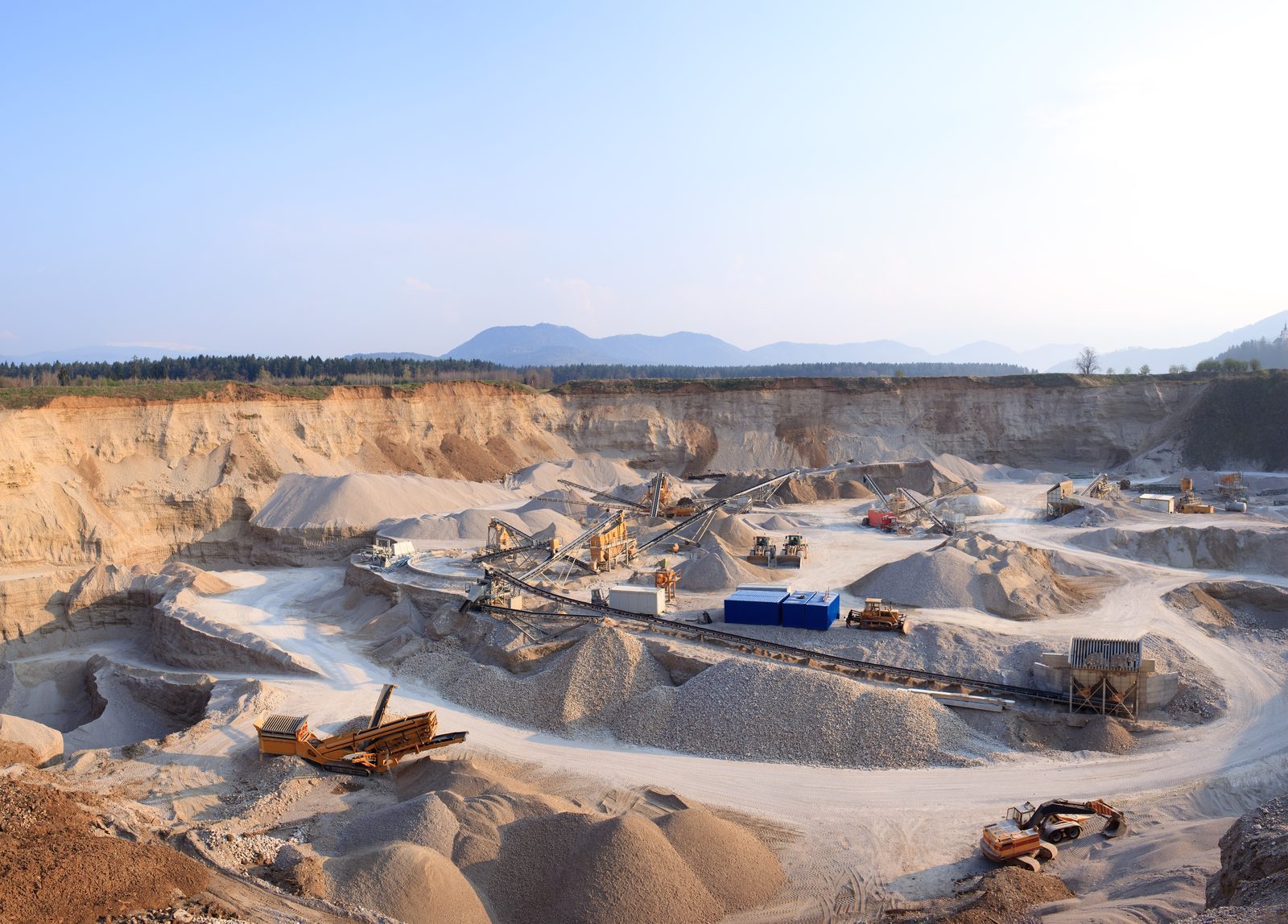
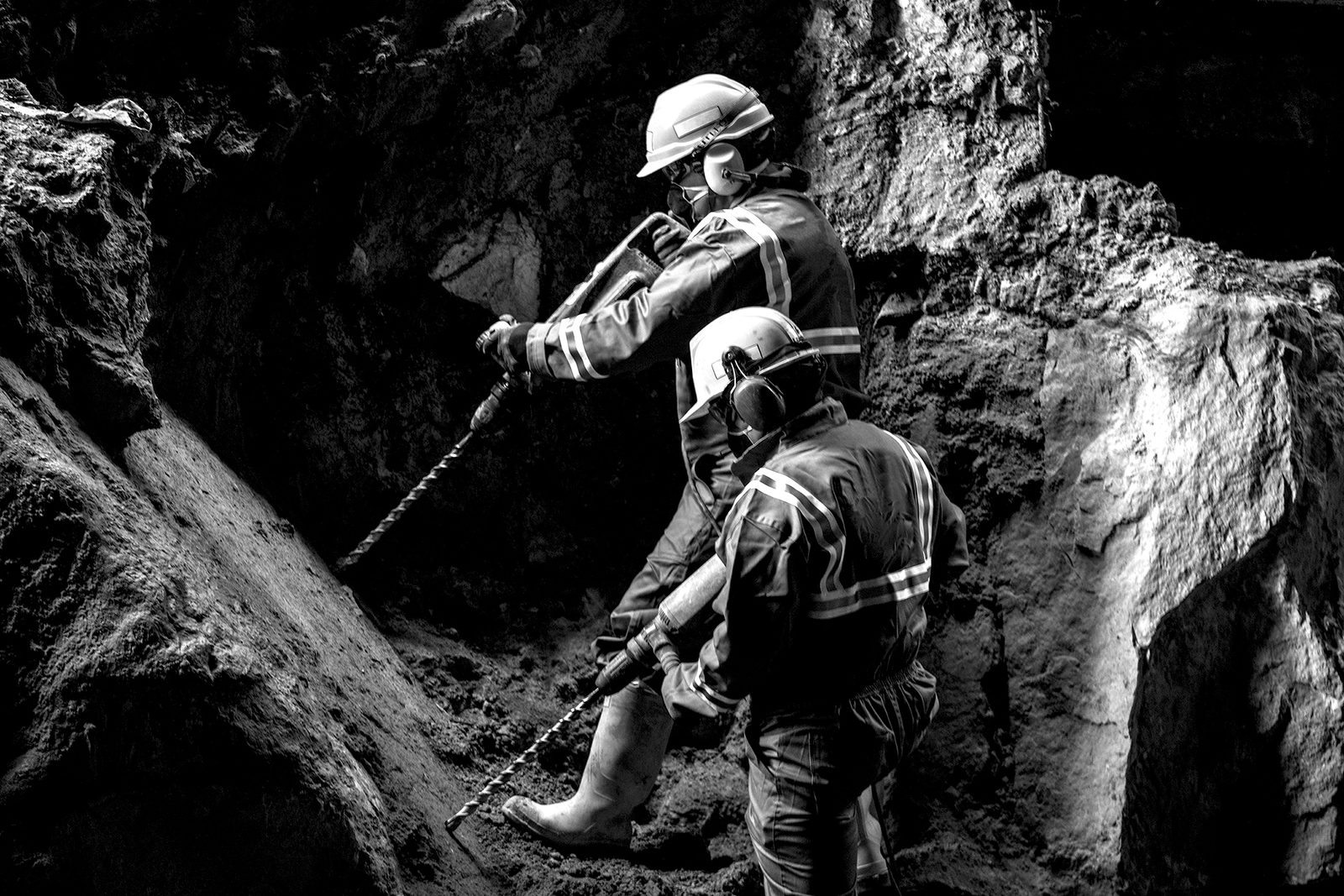
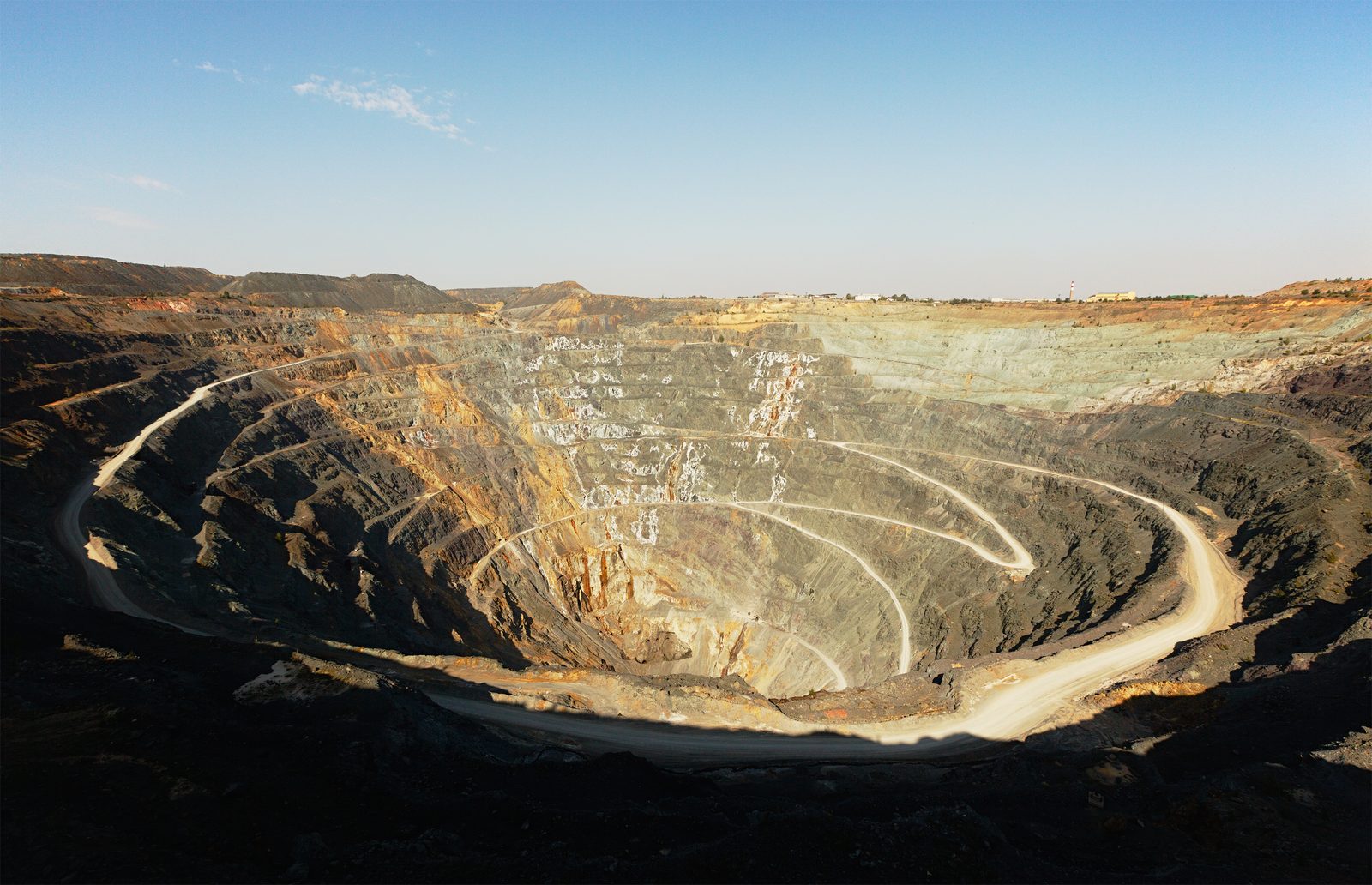
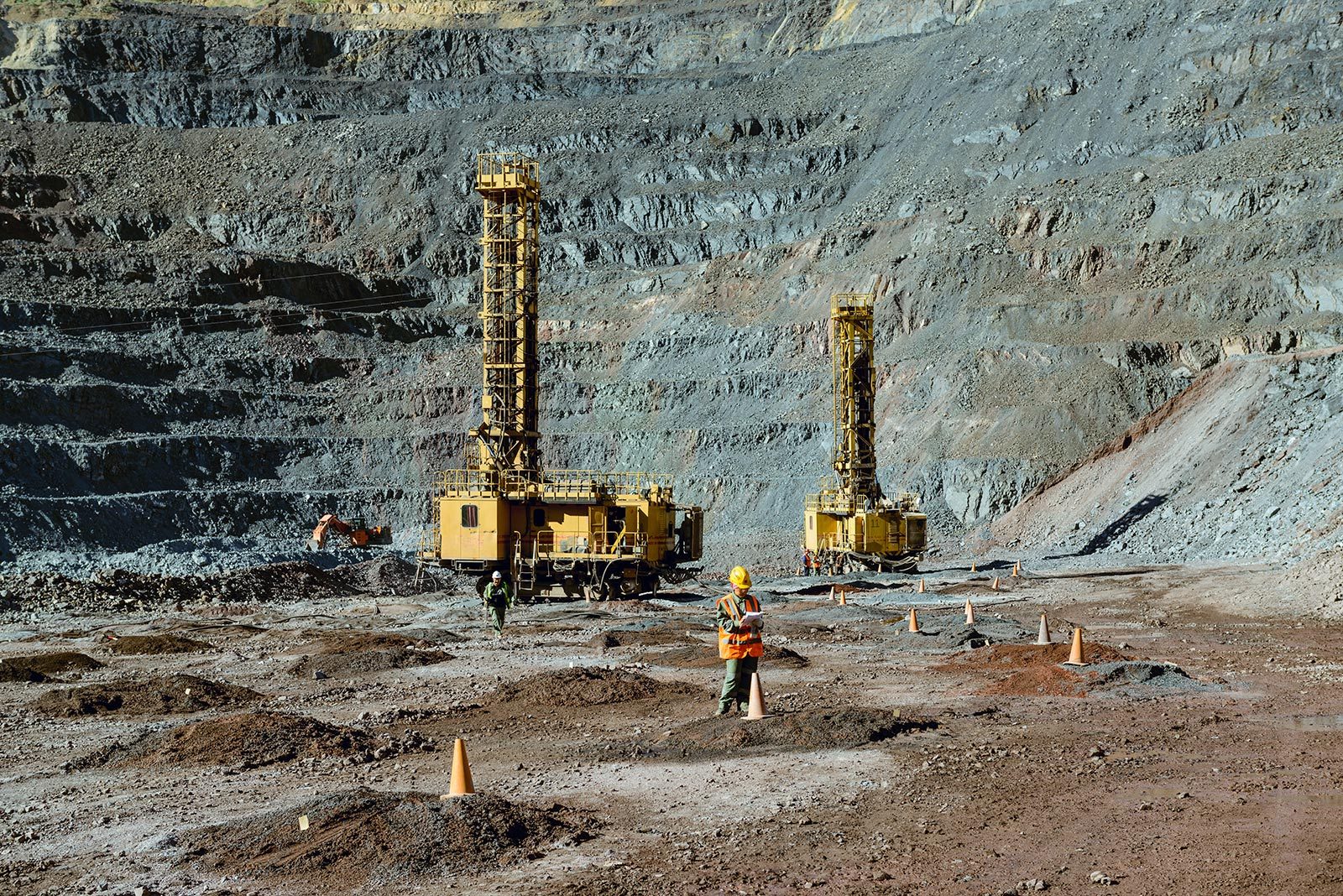
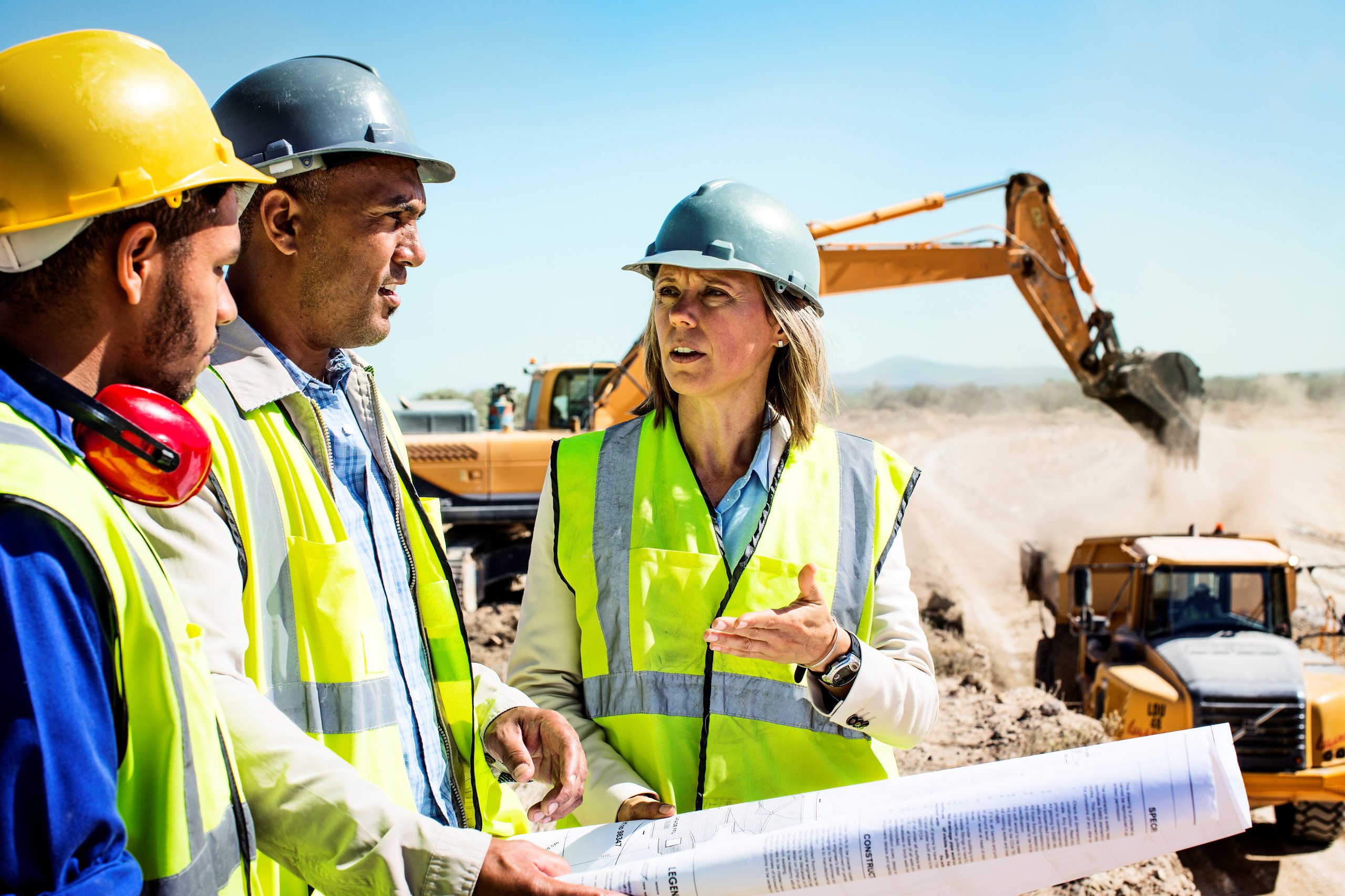
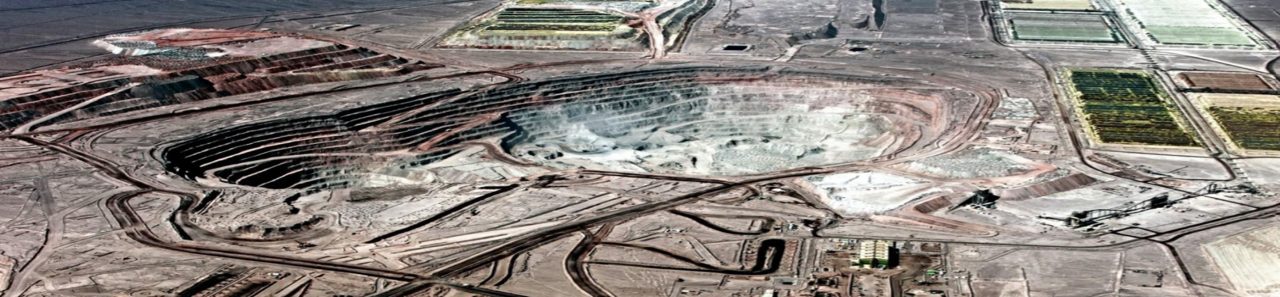
A 5.4 billion dollar underground mine, one of the world’s largest, needed a fresh approach to stay on track in a sector where half of all projects miss their forecasts, with each day of delay worth two million dollars of net present value. At peak construction it involved 16,000 workers, mostly local nationals, 900 suppliers, 200km of tunnels and a deep shaft. The client invited eleven consulting firms to bid, and Proudfoot won by recommending a holistic approach centred on people and behavior rather than technology.
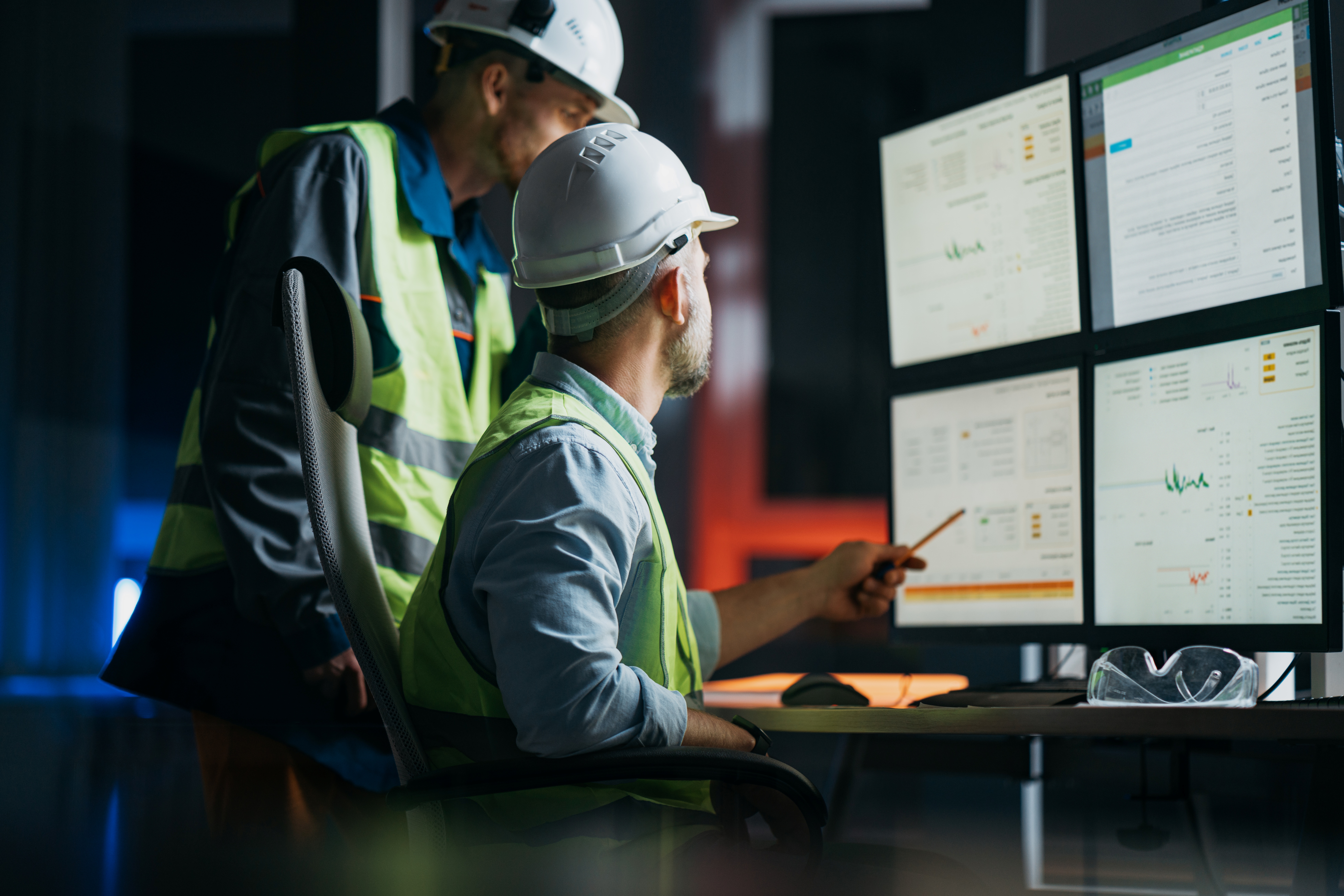
Construction, development and production were happening at once underground, with hundreds of contractors on separate systems sharing the same infrastructure. Proudfoot designed and installed a bespoke Management Operating System and Integrated Project Planning process to optimize space, time and materials for 3,000 people. The defining move was to shift complexity from execution into planning, with digital work plans drawn up 48 to 72 hours ahead rather than the 24-hour norm.
Deployment inducted 120 frontline managers, all local nationals, built local-language coaching capability aligned to a government upskilling mandate, and used a simulation game to teach planning. Productive time reached 10 hours per 12-hour shift against an 8-hour industry average, the all-injury frequency rate hit 0.19 per 200,000 hours, and the project broke records while preserving $2M of net present value a day.