
Capital programs, network reliability, frontline safety. Public-trust operations under regulatory scrutiny, where the next AMP cycle and the next outage both read back to the customer.
Energy and utilities runs on regulated capital cycles, network reliability commitments, and a workforce designed to work safely on the asset day after day. AMP cycle in water, RIIO and equivalent regimes in transmission and distribution, planned outage cadence on the generation fleet, the field crew on the network. Proudfoot has installed at depth in utilities across UK water, North American electricity and gas, Quebec hydroelectric, French water, and renewables operations. The discipline holds across the network, the plant, and the capital program.
Where the value lives, and where it leaks.
Energy and utilities is a public-trust operation held to the regulator, the customer, and the asset's design life at the same time. The water company runs to the AMP cycle, the distribution network runs to a regulated price control, the generation fleet runs to a planned outage calendar, the gas distributor runs to integrity and replacement schedules. Each cycle is bounded by a price control, a service-level commitment, and a safety regime that touches every metre of pipe, every kilometre of overhead line, every megawatt on the bar.
The cost of error compounds across three currencies particular to the regulated environment. Asset hours, where a transformer down in a heat wave, a treatment works tripped on a wet weather event, a CCGT off the bar in a peak hour, or a gas main cut over schedule all read directly to outage minutes, customer minutes lost, and the service incentives that follow. Capital program attainment, where the next AMP price control, the next ED settlement, the next gas replacement schedule, and the next generation overhaul are all run as multi-year programs against a regulated allowance, and where slippage at one site moves the year-end program number for the whole portfolio. Integrity and safety, where the dispersed crew, the planned outage, the buried network, and the substation entry are all bounded by regulator and insurer scrutiny, and where the consequence of poor practice is harm and reputational loss before it is waste.
Frontline supervision is the lever that holds the chain together. A utility runs on dispersed crews, multi-shift control rooms, complex equipment estates, and a span of control that stretches a supervisor across a service area, a depot, a generation site, or a treatment works. The discipline that keeps the chain intact is the field supervisor at the depot start of shift, the planner reading variance against the maintenance schedule, the dispatcher running the switching plan, the contractor lead holding the AMP project to the program, and the control-room operator running the network through the load curve. The Proudfoot work in utilities lands at that point.
When a regulated capital program falls behind, the cause is rarely a shortage of people or money. It is the operating level. Proudfoot finds the same pattern across AMP and price-control programs: schedule attainment held against a monthly review rather than run on a daily and weekly cadence, supervisory presence on the project sites spread too thin, standard work absent on recurring tasks, contractor coordination organized at the meeting level rather than at the operating level, and a capital plan built in the office that was never connected to the operating reality on the site. Leadership at the project-supervisor level ends up reactive rather than active. Reconnect the plan to the site, move the cadence from monthly to daily, put the supervisor back on the asset, and hold the contractor at the operating level, and the program recovers. On a multi-partner water pipeline behind schedule across seven sites, that discipline lifted productivity by 20% and took $1m of cost out within six months.

Where the discipline lands.
Water utilities
Regulated water and wastewater, AMP-cycle capital programmes, network and treatment operations. Supply-side leakage, capital delivery against the price control allowance, treatment works planned operations, sewer-network maintenance, contractor coordination across multi-framework capital programmes, and the field crew on the supply network.
Electricity transmission and distribution
Overhead and underground network operations, planned and unplanned outage management, switching and dispatch, customer connections, and field-crew productivity across the depot footprint.
Electricity generation
CCGT and combined cycle, hydroelectric, nuclear, and renewables operations across wind and solar. Planned outage execution, asset availability against design rate, generation capital project recovery, and the operating cadence on the unit and at the control room.
Gas distribution and transmission
Medium and low-pressure replacement programmes, network integrity, customer connections and meter operations, field-crew productivity across the depot estate, and the back-office and call-centre operations that hold the customer experience.
Multi-utility operations and shared services
Where a multi-utility operator or a shared-services back office runs across regulated activities and Proudfoot installs the operating system that holds the daily and weekly cadence across the breadth.

Four capabilities utility COOs recognize.
Improve Productivity
Frontline operations and field services as the heart of the work, plus supervisory cadence at the depot, the control room, the treatment works, and the generation unit. Productivity in utilities is a behavior question first, a planning question second, and a tooling question third. The productivity gains are held by trained supervisors and depot leaders after handover.
Improve Asset Utilization
Network reliability against the customer-minutes-lost commitment, planned versus unplanned outages on the network and the generation fleet, reliability-centred maintenance on the rotating estate, and asset availability against design rate. Planned outage discipline holds the long tail of the value, and the regulator reads asset performance directly through the network reliability metrics.
Optimize CAPEX
Regulated capital programs such as the AMP cycle in water and the equivalent price control programs in electricity transmission, distribution, and gas. Capital project recovery, framework contractor coordination, schedule attainment against the price control allowance, and the operating discipline that runs the project site as an operation rather than as a program.
Optimize Workforce
Regulated workforce design across the field, the depot, the control room, and the customer-operations back office. Crew sizing against actual demand on the network and at the works, shift-pattern alignment against the load curve and the planned-work bank, and span of control that lets the supervisor coach instead of chase, inside the regulator's framework.
Production. Asset Management. Construction.
Production
The treatment works, the generation unit, the control room, the daily operating rhythm against the network plan and the load curve. Asset availability, planned operations, shift discipline, frontline supervision, and the customer-operations cadence at the call center and the back office.
Asset Management
Network reliability, planned and unplanned outage discipline, integrity and replacement programs, planned-overhaul execution on the generation fleet, planning and scheduling at the depot, and the supervisory cadence that holds the asset estate intact. The right work, on the right asset, at the right interval.
Construction
AMP capital program execution, framework contractor coordination, capital project recovery on water, electricity, and gas regulated programs, brownfield expansion, and the operating discipline that runs the project site against the price control allowance.
The method behind the work.
The Proudfoot System runs the engagement, end to end across 5 phases and 86 steps, sized to the load curve and the regulator's framework. Three components carry the energy and utilities work: the planned-work bank that protects asset hours, the operating cadence that runs capital as an operation, and the supervisor behaviors that hold the standard inside the price control.
The Proudfoot MOS (the 6+4 Element Framework) is the operating discipline that makes the capabilities deliverable. The discipline has been installed at depth across the utilities value chain: at UK water utilities across the AMP capital delivery and supply-side leakage practice, at Canadian gas distribution operations across field operations, billing, call-center, back-office rationalisation, and workforce management forecasting, on a North American electricity transmission and distribution operation across multi-phase delivery, on Quebec hydroelectric generation across the MOS rollout for capital project execution and productivity, on French regulated water operations, and at German renewables operations. It has held in the depot and on the network, in the control room and on the unit, on the AMP capital program and at the customer-operations interface.
The 8 Active Management Behaviours (8AMBs) are the supervisory behaviors that make the operating discipline stick. Observable on the depot start-of-shift huddle, the field supervisor's tour, the dispatcher's switching review, the planner-supervisor handover at the work bank, the control-room hand-back to operations, the framework contractor's morning brief, and the customer-operations team leader's daily review. Codified, coachable, repeatable. Aerial Mapping is the structured executive interview discipline that surfaces the value at the start of the engagement, across the chief operating officer, the network director, the asset director, the head of capital delivery, the head of generation, the head of customer operations, the head of HSE, and the head of regulation.
What it looks like when it lands.
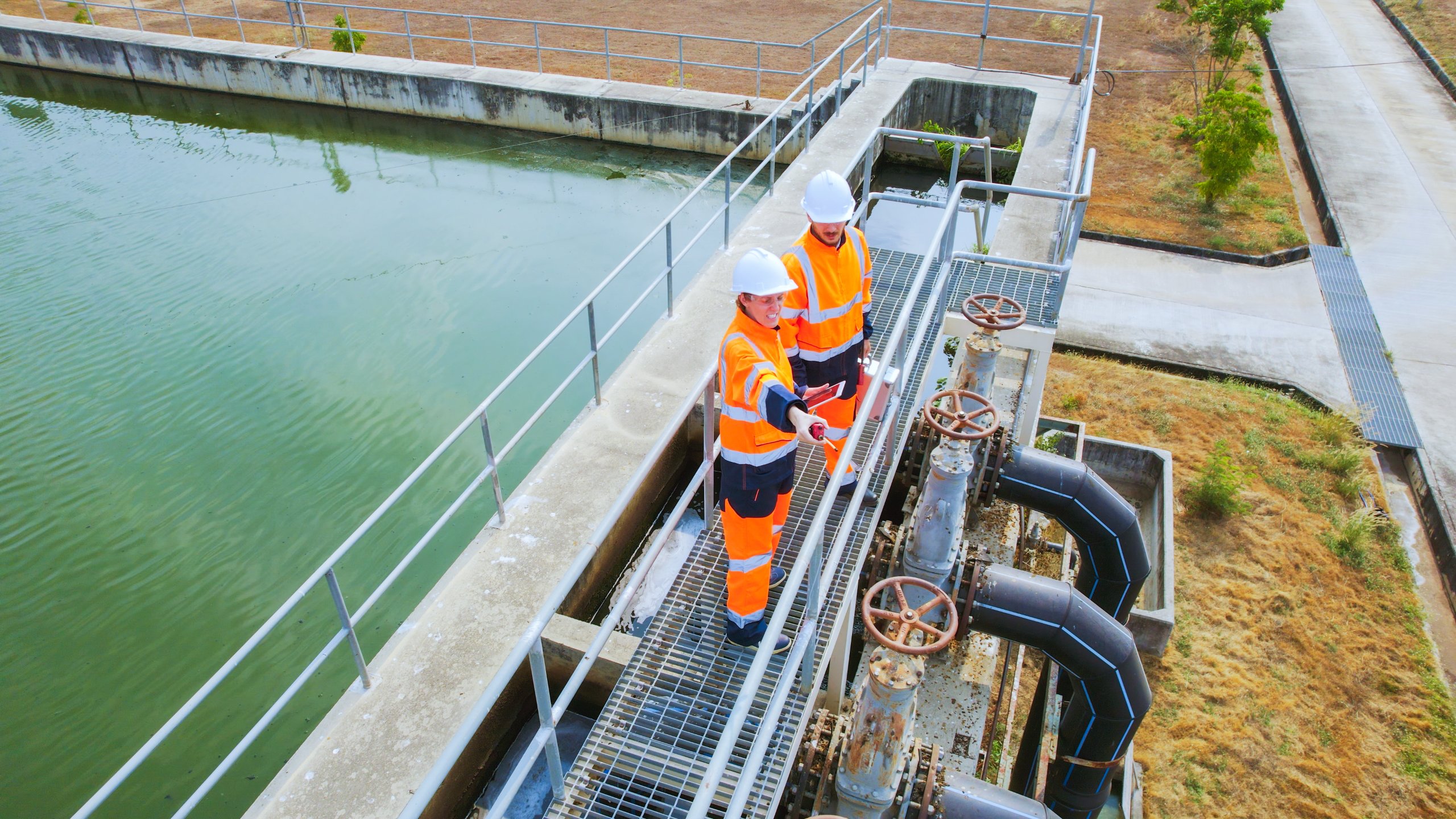
A UK water utility and its construction alliance
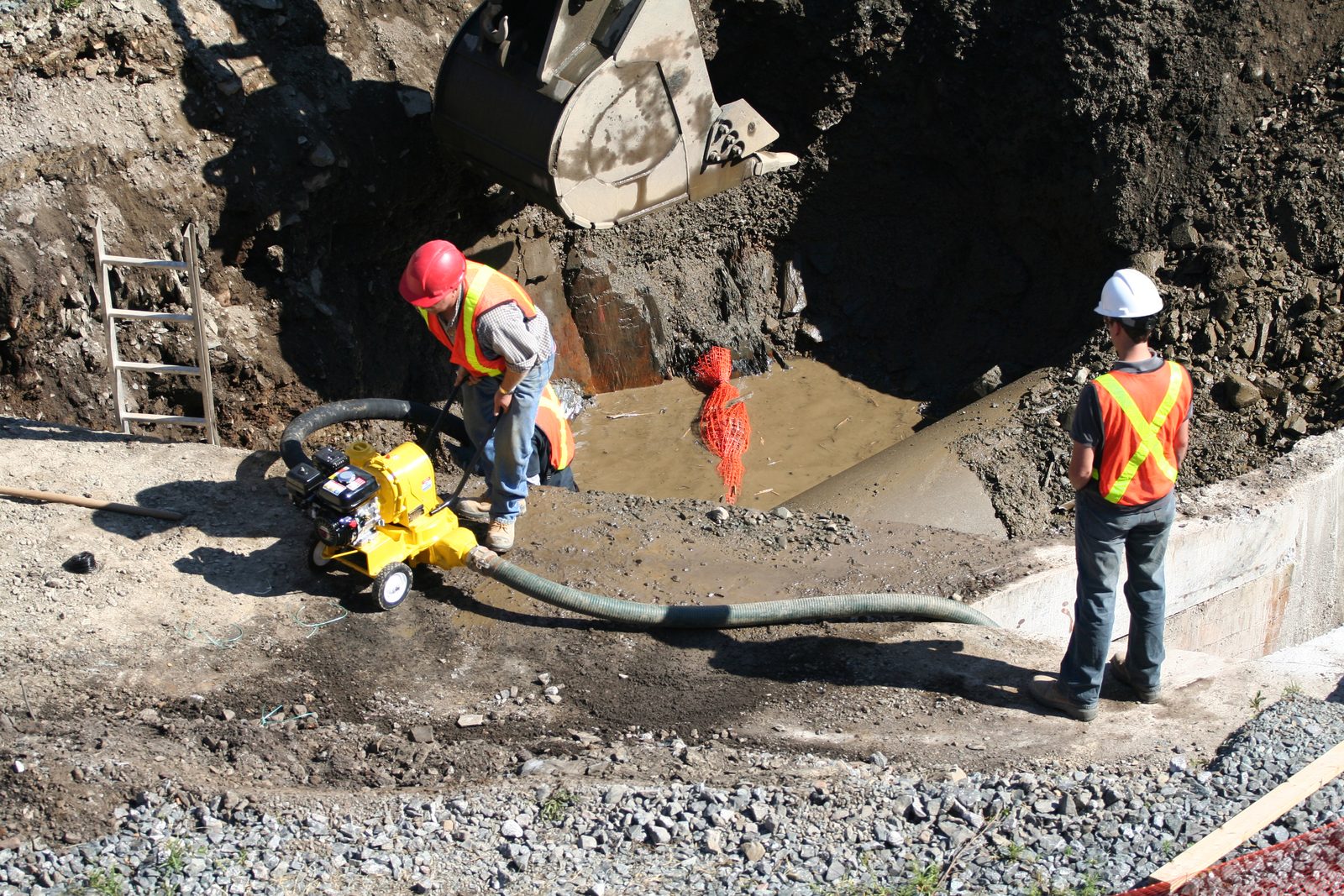
A Canadian gas distributor

A major global mining and energy company

A Canadian nuclear power utility
Talk to our energy and utilities partners.
UK water and European regulated utilities, including AMP-cycle capital programs and supply-side leakage.
French regulated water operations and European energy and utilities across the regulated network.
DACH and Central European utilities, including renewables operations and electricity network delivery.
North American electricity transmission and distribution and regulated gas distribution across multi-phase delivery.

Five days on the frontline. One decision at the end.
Two senior Proudfoot operators on a priority site for five working days, with Proudfoot AI reading the operating data and the corpus first, remotely. Walkthrough, executive interviews, day-in-the-life-of observation on the supervisor, the planner, and the dispatcher, MOS Critic on the management system, and a quantified opportunity hypothesis prioritized by lever. Decision-grade material in a week, sized to the operation.
Frequently asked questions about Proudfoot in energy and utilities
Proudfoot installs the management operating system that makes frontline supervision measurable, coachable, and repeatable across regulated utilities. The work focuses on frontline operations and field services, network reliability and asset availability, regulated capital program execution such as the AMP cycle, and regulated workforce design across the field, the depot, the control room, and the customer-operations back office. The same operating discipline holds across the network, the plant, and the capital program.
Water utilities, including regulated water and wastewater and AMP-cycle capital programs. Electricity transmission and distribution, including overhead and underground network operations and outage management. Electricity generation, including CCGT and combined cycle, hydroelectric, nuclear, and renewables operations. Gas distribution and transmission, including replacement programs, network integrity, and customer operations. Multi-utility operations and shared services across regulated activities.
Results include a 20% improvement in productivity and $1m in cost reduction over six months on a UK water utility AMP-cycle capital program, with $4m in additional benefits identified, over $5m recovered against costs projected, and the turn-of-flow date achieved earlier than contractually committed. Multi-phase operating-system installations run across a Canadian regulated gas distribution utility, a North American electricity transmission and distribution utility, and a Quebec hydroelectric generation operator.
When a regulated capital program falls behind, the cause is rarely a shortage of people or money. It is the operating level. Proudfoot finds the same pattern across AMP and price-control programs: schedule attainment held against a monthly review rather than run on a daily and weekly cadence, supervisory presence on the project sites spread too thin, standard work absent on recurring tasks, contractor coordination organized at the meeting level rather than at the operating level, and a capital plan built in the office that was never connected to the operating reality on the site. Leadership at the project-supervisor level ends up reactive rather than active. Reconnect the plan to the site, move the cadence from monthly to daily, put the supervisor back on the asset, and hold the contractor at the operating level, and the program recovers. On a multi-partner water pipeline behind schedule across seven sites, that discipline lifted productivity by 20% and took $1m of cost out within six months.
Two senior Proudfoot operators spend five working days on your priority site, with Proudfoot AI reading the operating data and the corpus first, remotely. The work covers a walkthrough, executive interviews, day-in-the-life-of observation on the supervisor, the planner, and the dispatcher, MOS Critic on the management system, and a quantified opportunity hypothesis prioritized by lever. Decision-grade material in a week, sized to the operation.