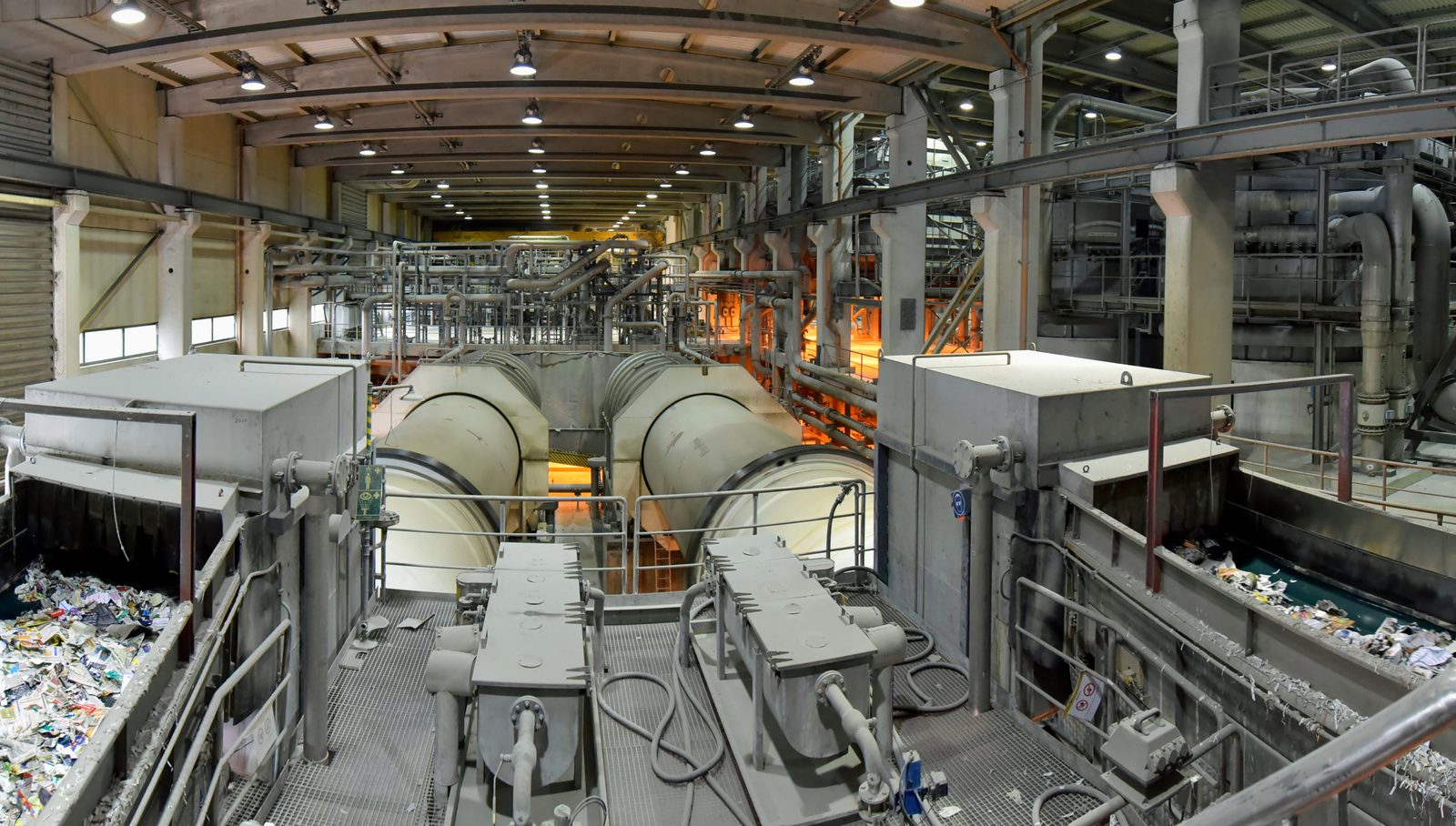
Machine speed, fiber yield, converting line stability. Continuous-process operations with capital-intensive assets, where the machine and the converting line carry the weight of the value.
Paper and packaging runs on continuous-process operations where the paper machine, the converting line, and the fiber line compound on every shift, and where machine speed, basis weight, broke and trim losses, and the loading window at the converting cell decide the run-rate against plan. Proudfoot has installed at depth in paper and packaging across integrated paper mills, tissue and towel converters, corrugated and folding carton operators, flexible and industrial packaging, and recycled-fiber lines. The discipline holds at the machine.
Where the value lives, and where it leaks.
Paper and packaging is a continuous-process value chain held together by paper-machine discipline, converting-line standard work, and the supervisory cadence on the wet end, the dry end, the converting cell, and the dispatch dock. Pulping and stock preparation feeds the wire and the press; the press feeds the dryer; the dryer feeds the size press, the calender, and the reel; the reel feeds the winder and the slitter; the winder feeds the converting line; the converting line feeds packing and dispatch. Each interface compounds: a small variance in basis weight or moisture compounds at the dryer, a small variance in stock preparation compounds at the wet end, a small variance in run speed compounds across the daily reel schedule, a small variance in trim and broke compounds across the year-end fiber cost, and a missed loading window at the converting cell compounds across the customer order book.
The cost of error in paper and packaging is measured in three currencies that compound on every shift. Machine and converting hours, where a paper machine down for an unplanned web break, a converting line off-line for an unscheduled changeover, a corrugator tripped at the single-facer, a flexo press off-rate at the color station, or a planned shutdown poorly executed all read directly to tonnes lost and to the cost per tonne the operator carries on the year-end number. Yield and recipe, where the fiber yield against the basis weight, the broke and trim losses against the reel, the deinked-pulp recovery against the recycled-fiber feed, the calorific consistency on the recovery boiler, and the planned-versus-actual on the machine overhaul all decide whether the year hits the cost target; the difference between the recipe the design promises and the run-rate the machine delivers is the largest single value lever in continuous-process paper. Safety and integrity, where every paper machine, every dryer can, every corrugator, every flexo press, and every dispatch driver at the loading window is bounded by the regulator's standard, the insurer's expectation, and the contract with the workforce; the consequence of poor practice is harm and lost time, not waste.
Frontline supervision is the lever that holds the chain together. A paper and packaging operation runs on dispersed crews, multiple shifts, capital-intensive equipment estates, and a span of control that stretches a supervisor across a paper machine, a wet end, a dry end, a winder room, a converting cell, a corrugator, a flexo press, or a multi-truck dispatch fleet. The discipline that keeps the chain intact is the machine operator at the wet end, the dry-end supervisor at the calender, the converting supervisor at the corrugator and the flexo press, the planner reading variance against the maintenance and overhaul plan, the millwright executing planned work to the procedure, and the dispatch supervisor holding the loading window against the customer order. The Proudfoot work in paper and packaging lands at that point.
Where the discipline lands.
Pulp production
Kraft pulping, mechanical pulping, recovery boilers, the bleach plant, and stock preparation. Pulping yield against the wood-and-chip feed, recovery cycle discipline, bleach plant chemistry held to specification, and the supervisory cadence at the pulp-mill operator and shift-supervisor populations.
Paper machine operations
Kraft, containerboard, specialty papers, fine paper, and graphic paper. Machine speed against the design rate, basis weight held against the reel target, broke and trim losses contained at the wet end and the winder, web-break recovery discipline, and the operating cadence on the wet end, the dry end, and the reel.
Tissue production
Consumer tissue, away-from-home tissue, towel, and napkin. Tissue machine cadence against the daily reel schedule, converting-line OEE on the rewinder, embosser, folder, and packaging line, basis weight and absorbency held to specification, and the supervisory cadence at the tissue machine and converting populations.
Corrugated and folding carton converting
The corrugator, the diecutter, the flexo press, the folder gluer, and the rotary die. Corrugator uptime against the daily run schedule, diecutter and flexo press cadence at the converting cell, changeover discipline across SKU and order, and the operating cadence at the converting-supervisor and team-leader populations.
Flexible packaging
Extrusion, lamination, printing, slitting, and pouch and bag conversion. Extruder OEE, lamination yield against the substrate specification, print-station cadence at the flexo and rotogravure presses, slitting discipline at the parent-roll-to-finished-roll cycle, and the operating system around the customer specification on a high-mix recipe.
Industrial packaging
Drum and pail, intermediate bulk container (IBC), reconditioning operations, and rigid-container manufacturing. Plant productivity at the moulding and reconditioning cell, supervisory cadence on the unit, and the operating discipline that holds the multi-customer SKU profile across the manufacturing and reconditioning estate.
Recycled and deinked fibre operations
Recycled-fibre collection, deinked pulp (DIP) lines, recovered-paper supply chain, and the operating discipline around the secondary-feed estate. DIP yield against the recovered-paper feed, energy intensity at the deinking line, and the operating cadence on the recycled-fibre estate.
Four capabilities paper and packaging COOs recognize.
Increase Throughput
Machine speed against the design rate, OEE on the paper machine and the tissue machine, OEE on the corrugator and the flexo press, basis weight held to specification, and the daily run-rate at plan. Throughput in paper and packaging is a behavior question first, a planning question second, and a tooling question third. Most paper machine gains land at the wet end and the dry end where short interval control on the shift reduces the gap between nameplate and run-rate; most converting gains land at the corrugator, the flexo press, and the changeover where the operating cadence at the converting-supervisor population closes the gap.
Improve Productivity
Frontline operations across the paper machine, the converting line, and the dispatch dock, plus standard work executed to the procedure on the wet end, the dry end, and the converting cell, the supervisory cadence on the unit and at the planner's desk, and the operating system around the changeover and the reel-to-converting handover. Productivity in paper and packaging is a behavior question codified against the eight Active Management Behaviours. Proudfoot installs the operating discipline at the machine operator's daily routine, the converting supervisor's start-of-shift huddle, the planner-supervisor handover at the maintenance work bank, and the dispatch supervisor's loading-window cadence.
Improve Asset Utilization
Paper machine uptime against the planned cycle, converting-line availability on the corrugator and the flexo press, planned-overhaul execution on the machine and the dryer can section, recovery-boiler uptime, and the planning-and-scheduling discipline that holds the asset estate intact. The right work, on the right asset, at the right interval, executed to the procedure. The paper machine overhaul is the single largest planned-shutdown event in integrated paper; front-end loading at scope freeze, planning to the critical-path, contractor coordination held against the daily and weekly operating cadence, and the supervisory cadence on the unit codified against the eight Active Management Behaviours.
Reduce Raw Materials Cost
Fiber yield against the recipe, broke and trim losses contained at the wet end and the winder, energy intensity across the value chain, deinked-pulp yield against the recovered-paper feed, and consumables across the maintenance and operating estate. Fiber and energy are the dominant operating cost levers in paper; the recipe and the recovery-boiler-and-evaporators platform repay disciplined operating practice every shift. Fiber yield against the basis weight lifted by reducing variance at the operator level, broke and trim contained at the wet end and the winder by the supervisor on the unit, and energy intensity tightened by the planner at the desk against the recovery cycle.
Production. Asset Management. Construction.
Production
The paper machine, the wet end, the dry end, the winder, the corrugator, the flexo press, the converting cell, the tissue machine, and the daily operating rhythm against the production plan and the cost-per-tonne target. Machine speed, basis weight, broke and trim, OEE, changeover discipline, fiber yield, and frontline supervision at the machine-operator and converting-supervisor populations.
Asset Management
Paper machine planned overhaul, converting-line maintenance, recovery-boiler reliability, planning and scheduling at the maintenance work bank, spare parts strategy, and the supervisory cadence that holds the asset estate intact. The right work, on the right asset, at the right interval, executed to the procedure.
Construction
Paper machine rebuild and modernisation, brownfield converting-line install, recovery-boiler upgrade, contractor coordination on the critical-path, and capital project recovery on multi-million-dollar capital programs.
The method behind the work.
The Proudfoot System runs the engagement, end to end across 5 phases and 86 steps, sized to the machine run and the converting schedule. Three components carry the paper and packaging work: short interval control on the machine, the operating system that protects converting hours, and the supervisor behaviors that hold first-pass quality.
The Proudfoot MOS (the 6+4 Element Framework) is the operating discipline that makes the capabilities deliverable. The discipline has been installed at depth across the paper and packaging value chain: at North American tissue and towel converting operators across the consumer-tissue and away-from-home estate covering the tissue machine and the converting cell; at integrated specialty paper operators across the French Pyrenees corridor with active operating-system installation on the paper machine and the converting line; at recycled-fiber and deinked-pulp paper operators across the Iberian peninsula covering the paper machines and the DIP lines; at multi-plant Asia-Pacific corrugated and converting operators across the Australian east coast with multi-plant supervisory-productivity installations across the corrugator, the diecutter, and the flexo press; at North American industrial packaging operators across multi-state plant networks covering the moulding and reconditioning cell; at DACH paper and packaging operators across Continental European networks with digital sourcing and operational excellence work; and at Sub-Saharan African PE-owned tissue and paper operators across the South African operating center. It has held on the paper machine, on the wet end, at the dry end, on the corrugator, on the flexo press, on the tissue converting line, at the dispatch dock, and on the recycled-fiber line.
The 8 Active Management Behaviours (8AMBs) are the supervisory behaviors that make the operating discipline stick. Observable on the machine operator's daily routine, the wet-end supervisor's start-of-shift tour, the converting supervisor's huddle at the corrugator and the flexo press, the planner-supervisor handover at the maintenance work bank, the dispatch supervisor's loading-window cadence, and the control-room hand-back to operations. Codified, coachable, repeatable. The 8AMBs are how the supervisor cohort runs the operation after Proudfoot leaves, and how a multi-plant integrated paper operator, a multi-region tissue and converting network, or a multi-site industrial packaging operator stays coherent across shifts and sites without a central control tower. Aerial Mapping is the structured executive interview discipline that surfaces the value at the start of the engagement, spanning the regional or country general manager, the head of operations, the head of mill performance, the head of converting, the head of maintenance and reliability, the head of energy and pulp, the head of HSE and sustainability, the head of supply chain and customer service, and the head of HR for the certified-trade and shift-pattern populations.
What it looks like when it lands.

Talk to our paper and packaging partners.
DACH paper and packaging operating heritage including multi-region Continental European integrated paper and packaging engagements across digital sourcing and operational excellence work at the wet end, the dry end, and the converting cell.
European specialty paper operating heritage including active multi-phase business value creation assessment plus project plus extension on the specialty paper machine and the converting line at the French Pyrenees corridor, plus broader European paper and recycled-fiber engagement experience.
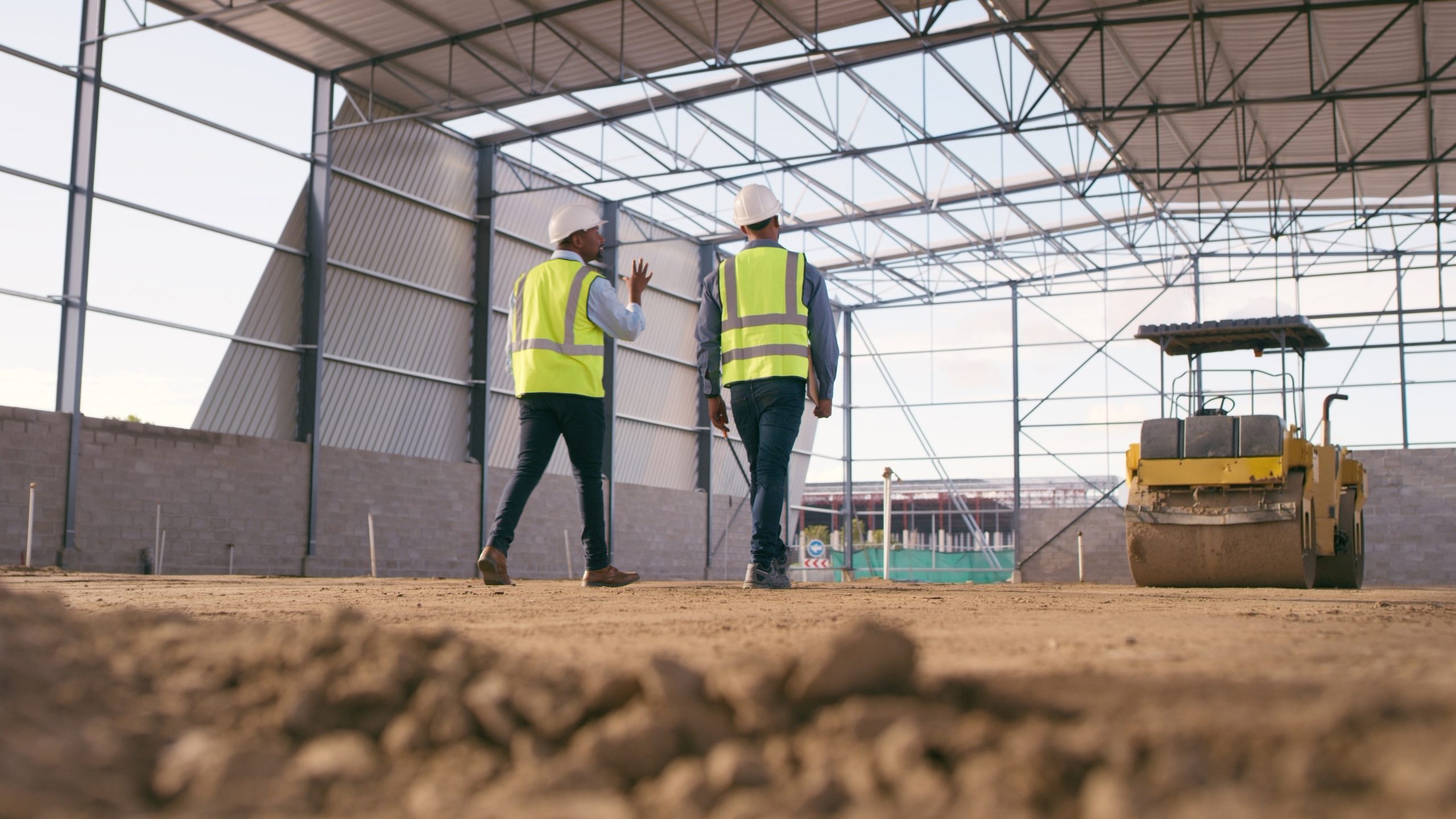
Five days on the frontline. One decision at the end.
Two senior Proudfoot operators on a priority site for five working days, with Proudfoot AI reading the operating data and the corpus first, remotely. Walkthrough, executive interviews, day-in-the-life-of observation on the machine operator, the converting supervisor, and the dispatch supervisor, MOS Critic on the management system, and a quantified opportunity hypothesis prioritized by lever. Decision-grade material in a week, sized to the operation.
Frequently asked questions about Proudfoot in paper and packaging
Proudfoot installs the operating discipline that makes frontline supervision measurable, coachable, and repeatable across continuous-process paper and packaging. The work focuses on machine speed against the design rate, OEE on the paper machine and the tissue machine, OEE on the corrugator and the flexo press, fiber yield against the recipe, broke and trim losses, and the supervisory cadence on the wet end, the dry end, the converting cell, and the dispatch dock. The same operating discipline runs across pulp, paper machine operations, tissue, converting, flexible and industrial packaging, and recycled-fiber lines.
Pulp production (kraft pulping, mechanical pulping, recovery boilers, bleach plant, stock preparation), paper machine operations (kraft, containerboard, specialty, fine, and graphic paper), tissue production (consumer tissue, away-from-home tissue, towel, napkin), corrugated and folding carton converting, flexible packaging (extrusion, lamination, printing, slitting, pouch and bag conversion), industrial packaging (drum and pail, IBC, reconditioning, rigid-container manufacturing), and recycled and deinked fiber operations.
Results include a multi-phase business value creation assessment plus operating-system installation on a Continental European specialty paper machine and converting line, a multi-plant supervisory productivity program across three Asia-Pacific corrugated and folding carton plants, a multi-plant operating-system installation across a North American tissue and towel converter, and a multi-machine energy-and-production program across the paper machines and deinked-pulp lines of an Iberian recycled-fiber operator.
The difference between the recipe the design promises and the run-rate the machine delivers is the largest single value lever in continuous-process paper. Fiber yield against the basis weight, broke and trim losses against the reel, deinked-pulp recovery against the recycled-fiber feed, the calorific consistency on the recovery boiler, and the planned-versus-actual on the machine overhaul all decide whether the year hits the cost target.
Two senior Proudfoot operators spend five working days on a priority site, with Proudfoot AI reading the operating data and the corpus first, remotely. The output includes a walkthrough, executive interviews, day-in-the-life-of observation on the machine operator, the converting supervisor, and the dispatch supervisor, MOS Critic on the management system, and a quantified opportunity hypothesis prioritized by lever. Decision-grade material in a week, sized to the operation.