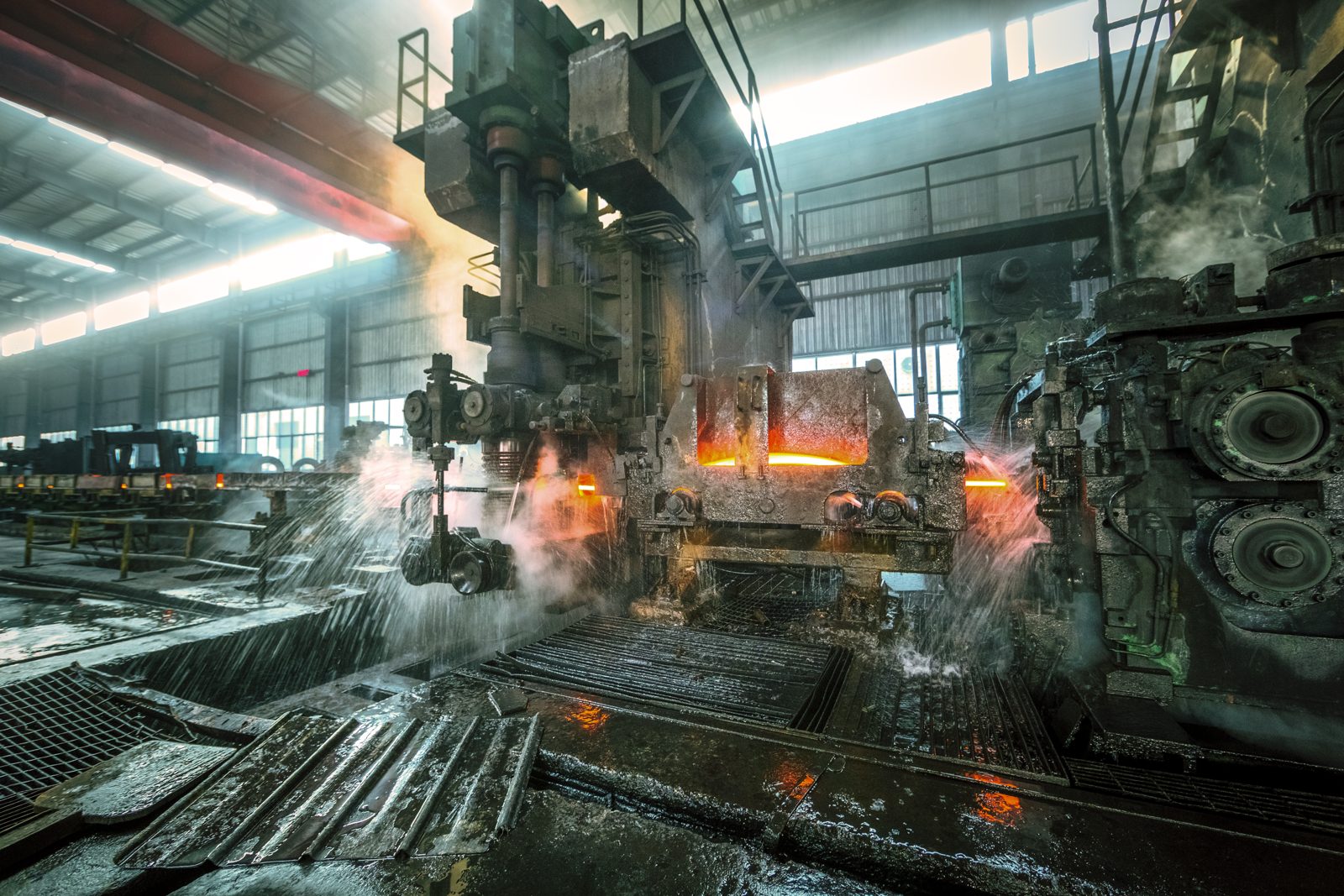
Hot strip, smelter, and finishing line throughput, run at plan. Heavy, regulated, hard-to-change, and where every shift either earns or burns the energy bill.
Metals runs on a tightly coupled value chain where energy, yield, and asset uptime decide the operating margin. Reheat furnace to roughing stand, hot strip to finishing, blast furnace tap to caster, crucible pour to coil. Each interface is energy-loaded, scrap-loaded, and quality-loaded, and a single off-spec heat loses tonnes against prime grade. Proudfoot has installed at depth in metals across integrated steel, primary aluminum, copper smelting, non-ferrous, and rolling and finishing. The discipline holds across the line.
Results from Proudfoot client engagements in Metals
Where the value lives, and where it leaks.
Metals is a value chain where energy, yield, and asset hours decide the result. The integrated steelmaker buys iron ore and coking coal at one end, ships hot rolled coil and finishing-grade plate at the other, and runs the blast furnace, the basic oxygen furnace, the caster, the hot strip mill, and the finishing line as one tightly coupled operation. The EAF route runs scrap and DRI through the arc furnace, the ladle metallurgy station, and the same caster and rolling discipline. The aluminum smelter runs alumina, anode, and pot-line current to liquid metal, and casts to ingot, sow, slab, or rolled coil. The copper, zinc, and non-ferrous smelters each carry their own pyrometallurgical and hydrometallurgical sequence to refined metal. The interfaces between the steps are where the operating margin is earned or lost.
Recovery losses are quiet: no alarm, no shift-log event, visible only in the monthly metallurgical reconciliation. The cost of error in metals is measured in three currencies that compound on every shift. Energy and reagent intensity, where the per-tonne energy load and the reagent recipe are the largest controllable cost on most operations and where every percentage point of efficiency carries directly to the operating margin. Yield against prime grade, where an off-spec heat or a roll-tonnage variance turns a saleable coil into a downgrade and resets the day's production economics. Asset hours against schedule, where a hot strip mill running below nameplate, a smelter pot-line current variance, or a finishing line short of plan compounds across the order book and erodes the customer's confidence in supply.
Frontline supervision and operating rhythm are what hold the line discipline together. A metals operation runs on dispersed shift crews, capital-heavy equipment, integrated control rooms, and a span of control that stretches a supervisor across the reheat furnace, the roughing stand, the finishing line, and the coiling and packaging area. The discipline that keeps the chain intact is the supervisor at the pulpit, the planner reading variance against the production schedule, the millwright executing planned maintenance to the standard the asset requires, and the metallurgist holding heat-by-heat quality against the certified specification. The Proudfoot work in metals lands at that point.

Where the discipline lands.
Integrated steel
The blast furnace and basic oxygen furnace route, including iron-making, steel-making, casting, hot rolling, and finishing. Hot strip mill OEE, reheat furnace efficiency, scheduling discipline against the order book, brownfield CAPEX project recovery on the largest assets in heavy industry.
EAF and electric steelmaking
Scrap-fed and DRI-fed routes, ladle metallurgy, secondary refining, and the casting and rolling sequence downstream. Tap-to-tap discipline, electricity load management, scrap charge optimisation, and downstream finishing yield.
Primary aluminium smelting
Pot-line operations, anode production, alumina and bath chemistry, casthouse, and rolled and extruded downstream. Pot-line current efficiency, shutdown crew discipline on multi-year asset cycles, casthouse quality and yield, brownfield smelter expansion.
Copper smelting
Pyrometallurgical and hydrometallurgical routes, anode casting, and refining to cathode grade. Smelter throughput, slag chemistry, asset availability on the converter and the anode furnace, energy intensity across the route.
Zinc refining
Roasting, leaching, electrowinning, and casting. Tank-house current efficiency, cell maintenance discipline, cathode quality, and downstream alloying.
Non-ferrous and specialty metals
Precious metals, nickel, lead, tin, and EV-driven specialty metals. Process discipline against complex feed, refining recovery, customer-grade quality control.
Rolling and finishing
Hot strip and cold rolling, plate, tube and pipe finishing, sheet, foil, and surface treatment. Line speed, prime-grade yield, scheduling discipline, surface quality.
Casting and forging
Continuous casting, ingot and slab casting, foundry pour, and forging press operations. Heat-by-heat quality, mould management, foundry cycle time.
Recycling and scrap
Ferrous and non-ferrous scrap processing, EAF scrap charge management, and circular-economy feed lines into primary and secondary metals operations.
Four capabilities metals COOs recognize.
Increase Throughput
OEE on the hot strip mill, tap-to-tap discipline on the EAF, pot-line current efficiency on the aluminum smelter, and asset uptime across the line. Most metals throughput gains land at the rolling stand and the finishing line, where short interval control on the shift reduces the gap between nameplate and run-rate, and at the furnace, where heat-by-heat consistency lifts the yield against prime grade.
Improve Productivity
Frontline supervision on the line, standard work at the pulpit, shift discipline on the casthouse, and maintenance execution to the standard the asset requires. Productivity in metals is a behavior question first, a planning question second, and a tooling question third. Proudfoot codifies the behavior against the eight Active Management Behaviours and the operating system around it.
Optimize Workforce
Crew sizing against actual demand at the furnace, the line, and the finishing area; shift-pattern alignment to physical demand profiles and continuous-cast cycles; and span of control that lets the supervisor coach instead of chase. Workforce design in metals is constrained by safety regulation, certified-trade requirements, and the long shifts that integrated continuous operations demand; the operating discipline holds inside those constraints.
Reduce Raw Materials Cost
Energy and reagent intensity on the smelter, scrap charge cost on the EAF, refractory and consumables across the maintenance estate, and yield against prime grade across the rolling and finishing sequence. Metals is the most energy-intensive cluster in heavy industry; the load curve and the reagent recipe repay disciplined operating practice every shift, and the yield discipline at the caster and the line repays it on every coil.
Production. Asset Management. Construction.
Production
The hot strip mill, the smelter pot-line, the casthouse, the finishing line, the daily operating rhythm against the production schedule. OEE, throughput, prime-grade yield, shift discipline, frontline supervision.
Asset Management
Reheat furnace and converter reliability, planned shutdown crew discipline on multi-year aluminum smelter cycles, rolling-mill maintenance, refractory management, planning and scheduling. The right work, on the right asset, at the right interval, executed to standard.
Construction
Brownfield smelter expansion, integrated steelworks CAPEX recovery, EAF installation, finishing-line modernisation, contractor coordination, capital project recovery on the largest assets in heavy industry.
The method behind the work.
The Proudfoot System runs the engagement, end to end across 5 phases and 86 steps, sized to the cast cycle and the per-tonne energy load. Three components carry the metals work: the operating cadence that protects asset hours, the discipline that holds reagent and energy intensity, and the supervisor behaviors that keep the line to standard.
The Proudfoot MOS (the 6+4 Element Framework) is the operating discipline that makes the capabilities deliverable. The discipline has been installed at depth in metals: across the integrated steel works of Western Europe, the primary aluminum smelters of North America, the non-ferrous and specialty metals operations of Continental Europe, and the British steel heritage. It has held in the reheat furnace and the hot strip mill, on the smelter pot-line, in the casthouse, at the finishing line, and on the brownfield CAPEX program.
The 8 Active Management Behaviours (8AMBs) are the supervisory behaviors that make the operating discipline stick. Observable on the hot strip pulpit, the smelter pot-line tap shift, the casthouse change-over, the finishing line tool-box talk, and the planner-supervisor handover at the start of the day. Codified, coachable, repeatable.
Aerial Mapping is the structured executive interview discipline that surfaces the value at the start of the engagement. In metals the executive cohort spans the works director, the head of operations, the head of metallurgy and quality, the head of maintenance and reliability, the head of energy and utilities, the head of HSE, the head of supply chain and raw materials, and the head of capital projects. The technique surfaces the variance between the strategic case and the operating reality across all of them.
What it looks like when it lands.

A leading German flat-steel producer for the automotive sector
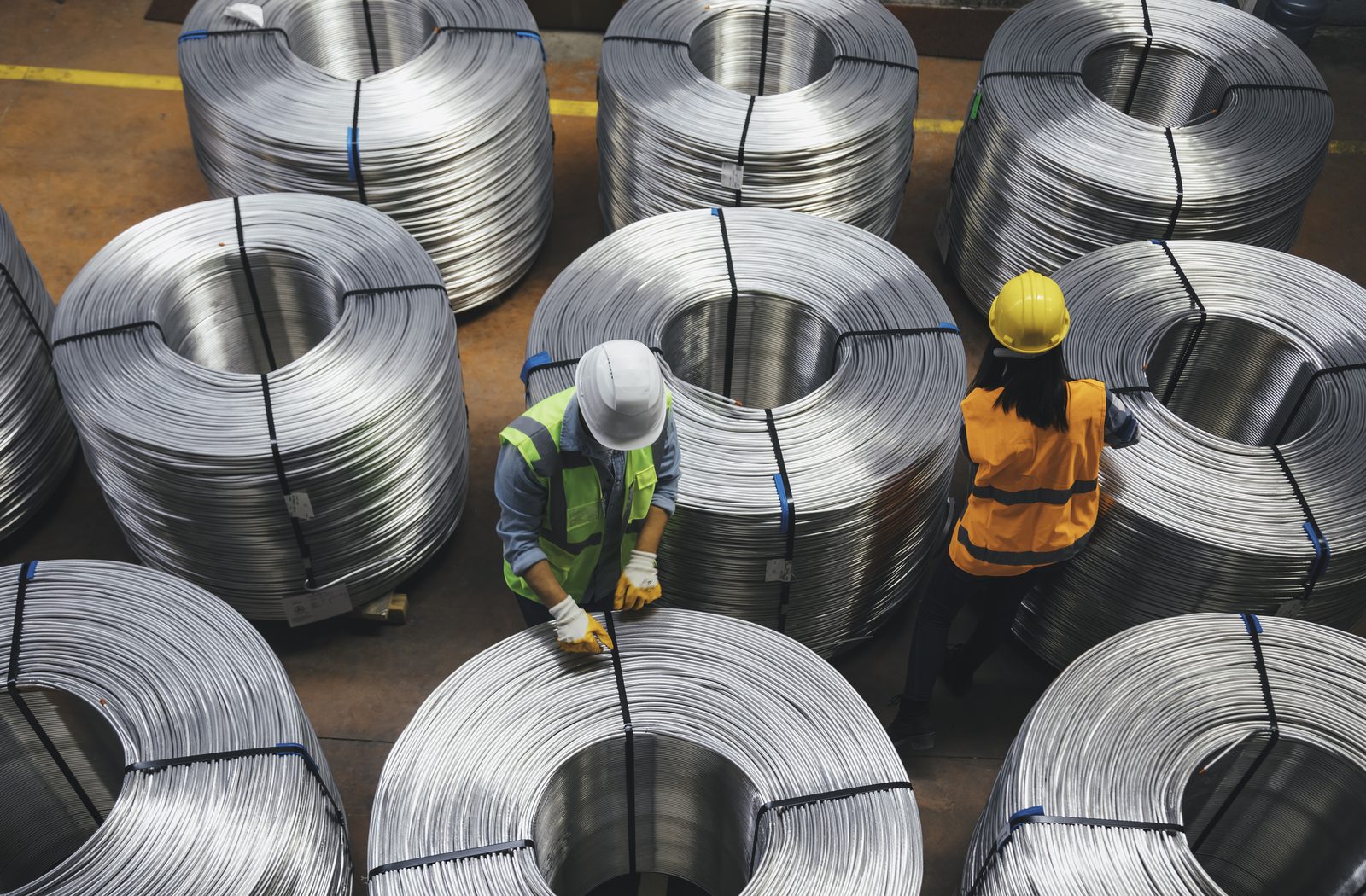
A diversified global mining and metals major (aluminum smelter expansion)
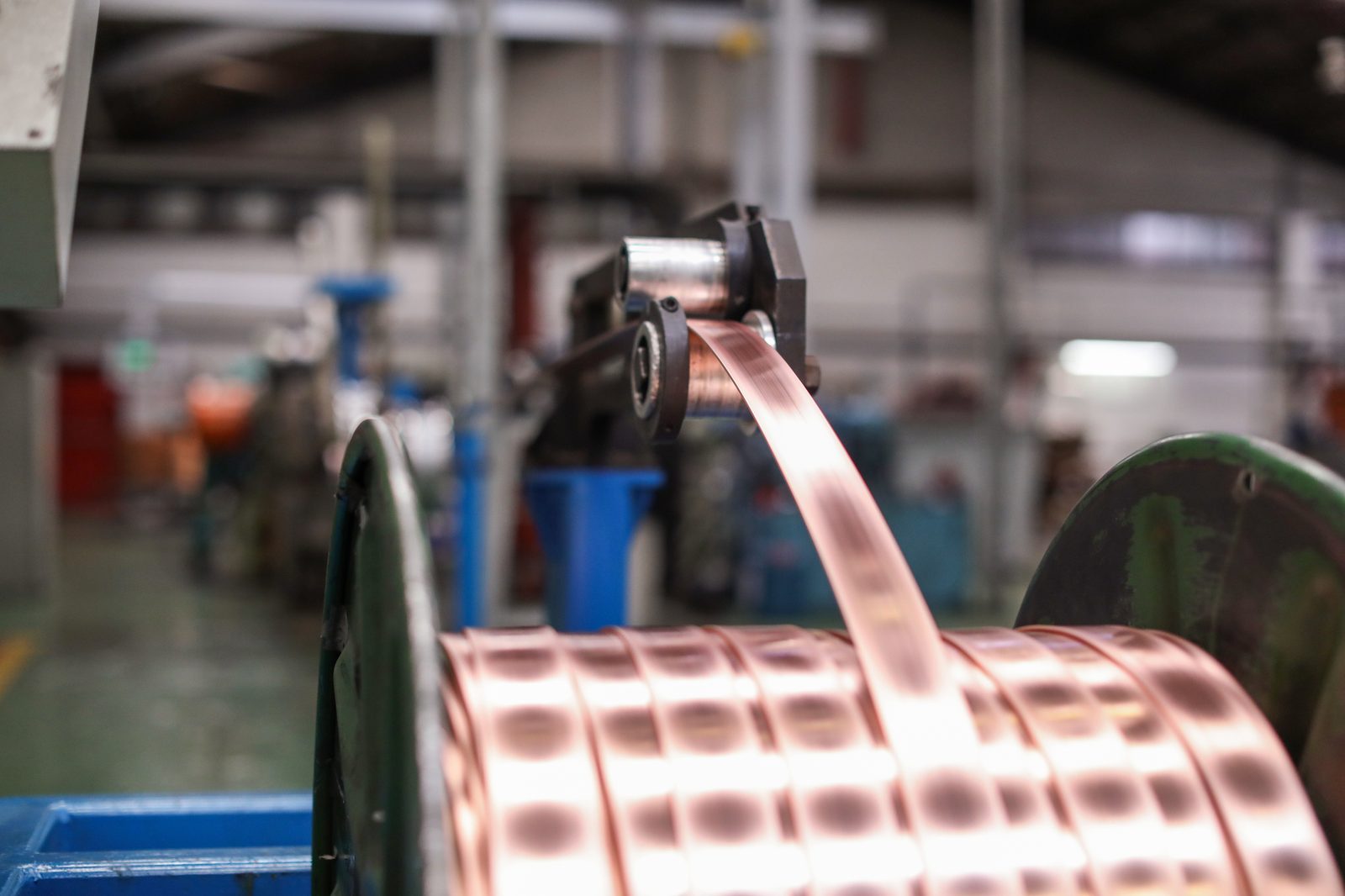
A global non-ferrous metals producer
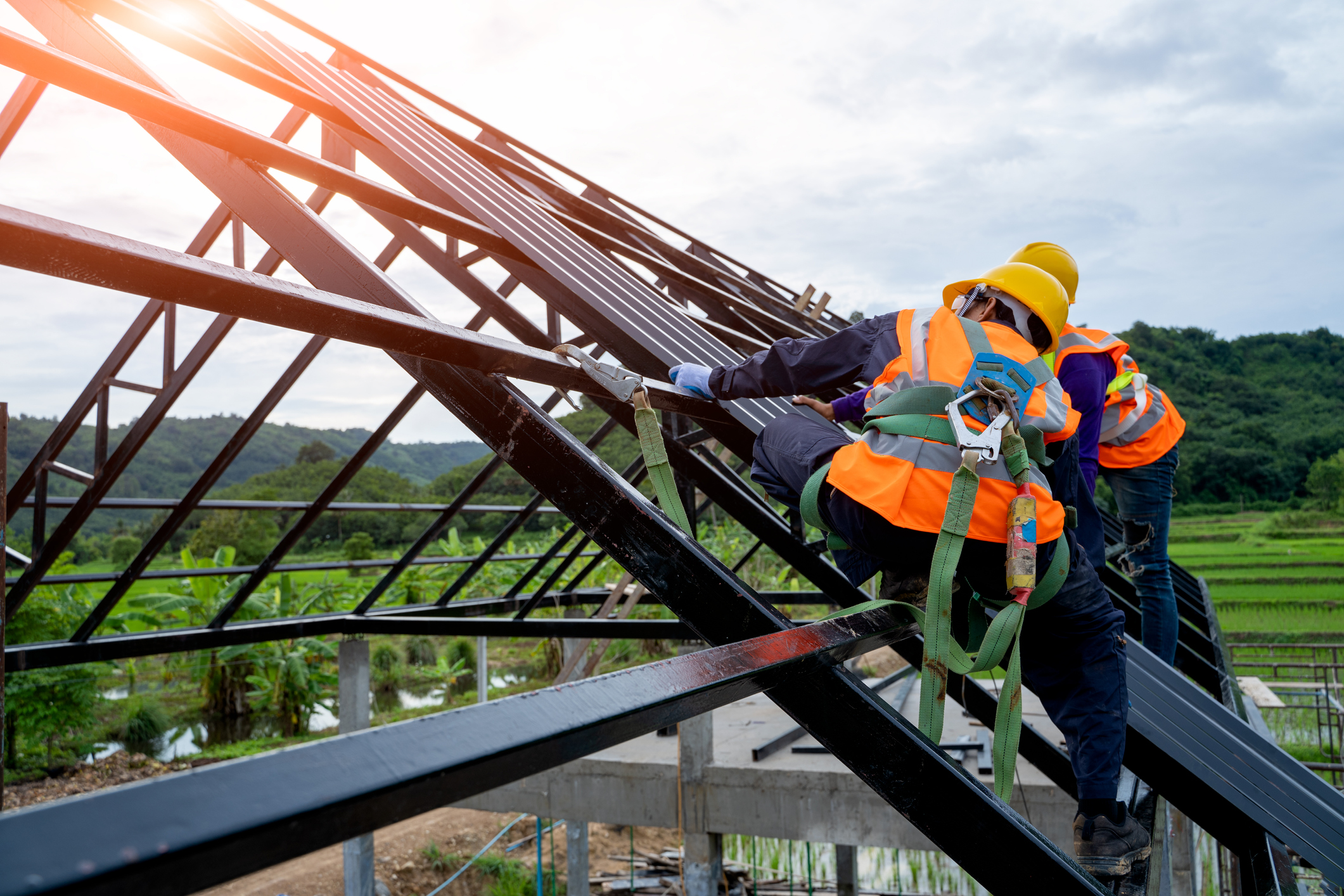
A North American structural-steel manufacturer for the transport-infrastructure market
Talk to our metals partners.
Metals delivery across EMEAA, from integrated steel to non-ferrous.
Mining and metals across the Americas.
Central European integrated steel and non-ferrous metals.
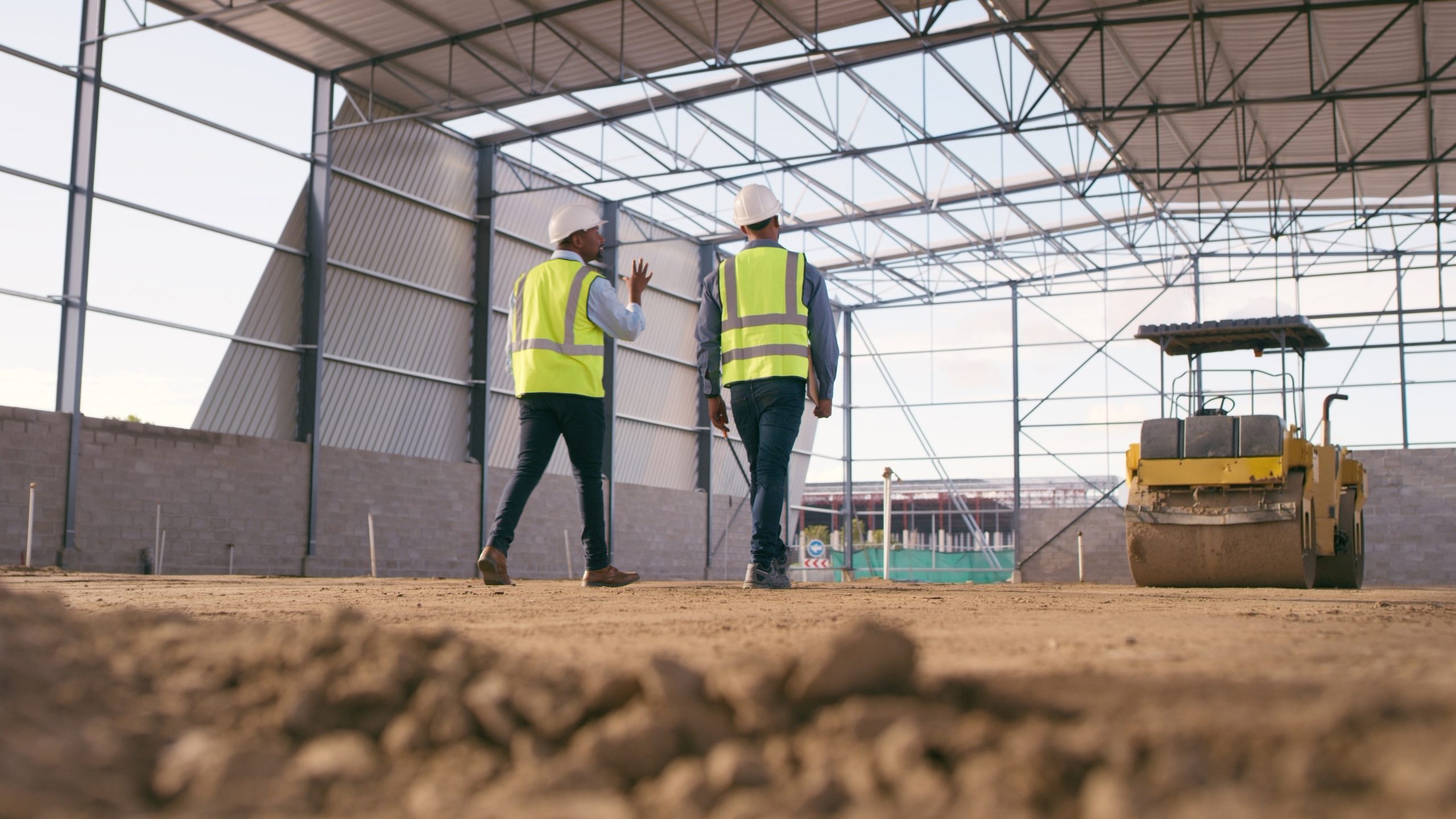
Five days on the frontline. One decision at the end.
Two senior Proudfoot operators on a priority site for five working days, with Proudfoot AI reading the operating data and the corpus first, remotely. Walkthrough, executive interviews, day-in-the-life-of observation on the supervisor and the planner, MOS Critic on the management system, and a quantified opportunity hypothesis prioritized by lever. Decision-grade material in a week, sized to the operation.
Frequently asked questions about Proudfoot in metals
Proudfoot installs the management operating system that makes frontline supervision measurable, coachable, and repeatable. In metals, the work focuses on hot strip mill OEE, tap-to-tap discipline on the EAF, pot-line current efficiency on the aluminum smelter, energy and reagent intensity, yield against prime grade, planned shutdown crew discipline, and brownfield capital project recovery. The same operating discipline runs across integrated steel, primary aluminum, copper and zinc smelting, non-ferrous, rolling, finishing, casting, and recycling.
Integrated steel on the blast furnace and basic oxygen furnace route, EAF and electric steelmaking, primary aluminum smelting, copper smelting, zinc refining, non-ferrous and specialty metals, rolling and finishing, casting and forging, and recycling and scrap. The page does not split into separate sub-pages per sub-sector; the operating discipline is one.
Results include a 37% improvement in productivity, a 43% increase in schedule attainment, and over $6m in annualised benefits on a brownfield primary aluminum smelter expansion in the Americas, and a 10% uplift in productivity across a multi-site steel finishing and structural products operation in North America. Further work spans brownfield CAPEX recovery at a Western European integrated steel producer and an Asset Lifecycle Management assessment at a Continental European non-ferrous smelter.
Four capabilities carry the weight of the work most often: Increase Throughput, Improve Productivity, Optimize Workforce, and Reduce Raw Materials Cost. Metals is the most energy-intensive cluster in heavy industry, so the energy load curve, the reagent recipe, and the yield discipline at the caster and the line repay disciplined operating practice every shift.
Two senior Proudfoot operators spend five working days on your priority site, with Proudfoot AI reading the operating data and the corpus first, remotely. The output includes a walkthrough, executive interviews, day-in-the-life-of observation on the supervisor and the planner, a MOS Critic review of the management system, and a quantified opportunity hypothesis prioritized by lever. Decision-grade material in a week, sized to the operation.